From assembling a shopping list for a weekend
party to building a house or growing a business, there are dozens
reasons to want to know what the future will bring. Yet,
uncertainties abound. People forget to RSVP; paperwork gets
held up; construction is delayed due to weather. Under normal
circumstances, we predict the future by thinking about the past,
whether recalling our own experiences or drawing on the lessons of
others. But how do we plan when the world itself is changing?
As our society grapples with the social, economic, and environmental
changes of the 21st century, more creative approaches are required.
Planning natural resource use in New Hampshire is
no exception. To try to tackle this problem, my collaborators
and I use a variety of tools to develop educated guesses about how
New Hampshire's changing landscapes will affect quality of life for
New Hampshire residents. Computer simulations are essential,
but no computer can predict how human behavior will change. To
answer that question, our team arranges conversations with a broad
variety of New Hampshire residents. By talking to people today,
we hope to develop narratives about alternative futures: different
stories of how land use might change in the century ahead.
The ways that human activities will shape New
Hampshire landscapes depend not only on the state's economic growth
and movement of people into or out of the state, but also on
individual values and goals. Some prioritize conservation and
tourism. Others want to ensure local food production to
maximize resilience to global disturbances and minimize fuel
consumption associated with transporting food over long distances.
Still others focus on ways to increase energy independence through
expanded use of biomass, wind, and hydroelectric sources of power.
All of these visions have merit, but the question remains open of how
the 6 million acres of New Hampshire will be allocated over the
century ahead: choices must be made about the degree to which each
piece of land will be used for food production, energy production,
housing, manufacturing, recreation, conservation, or other purposes
we might not now foresee.

|

|
 |
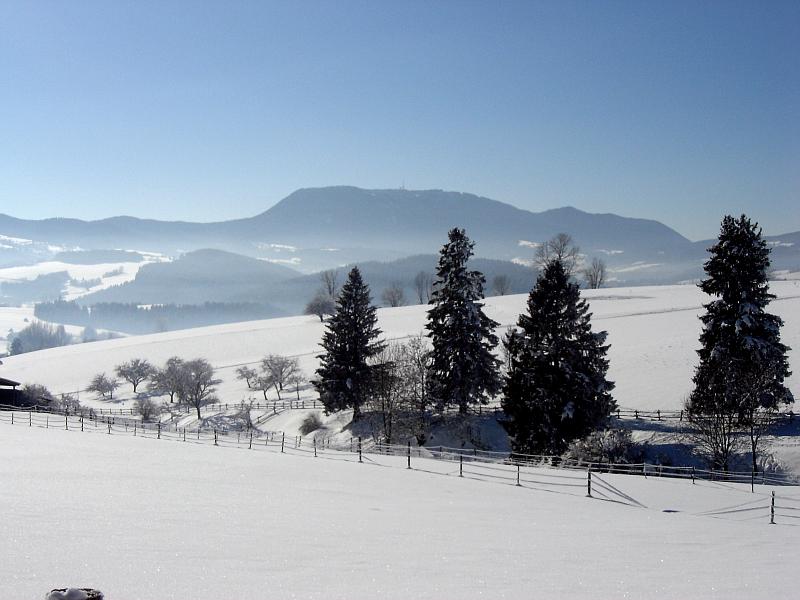
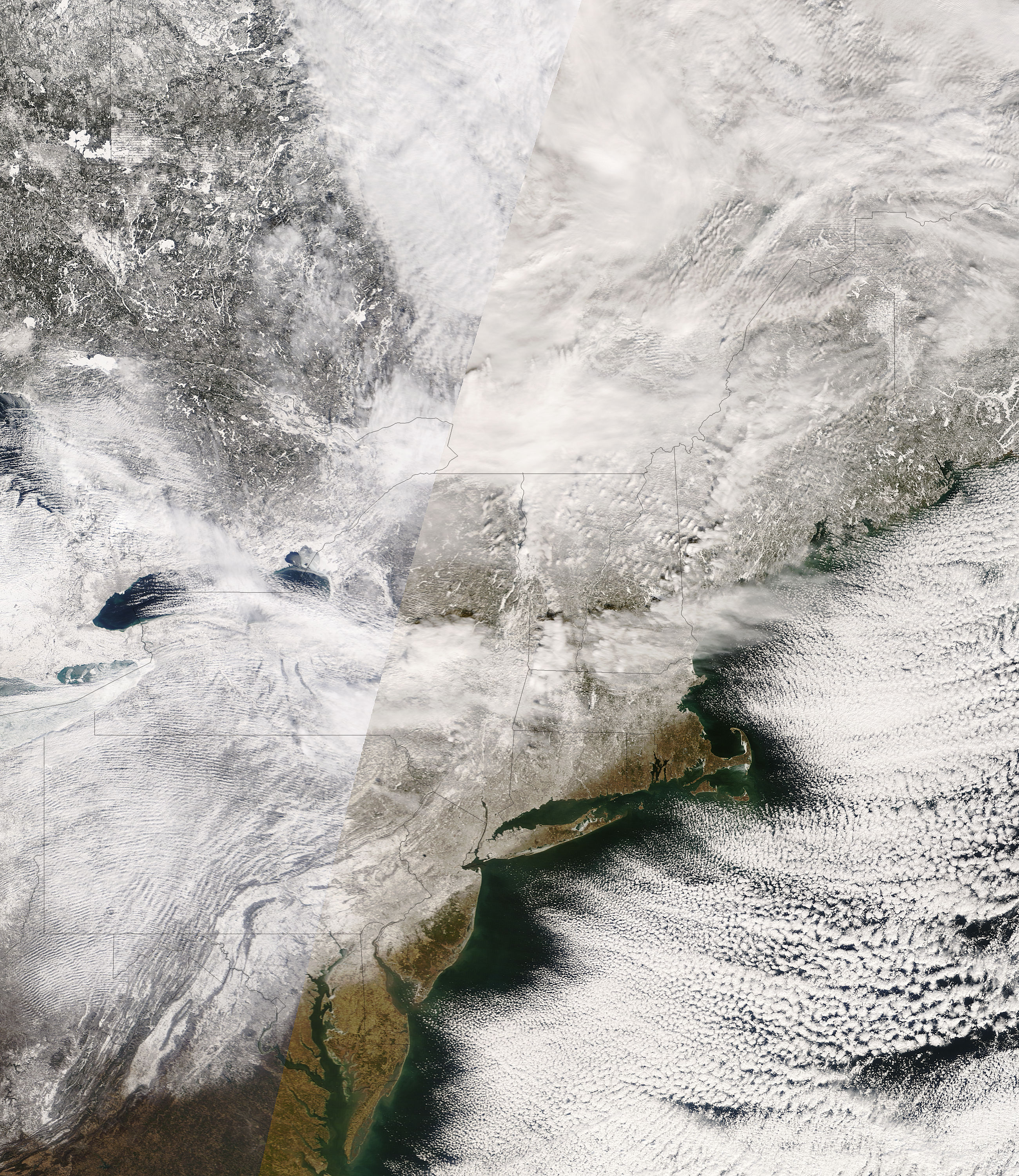
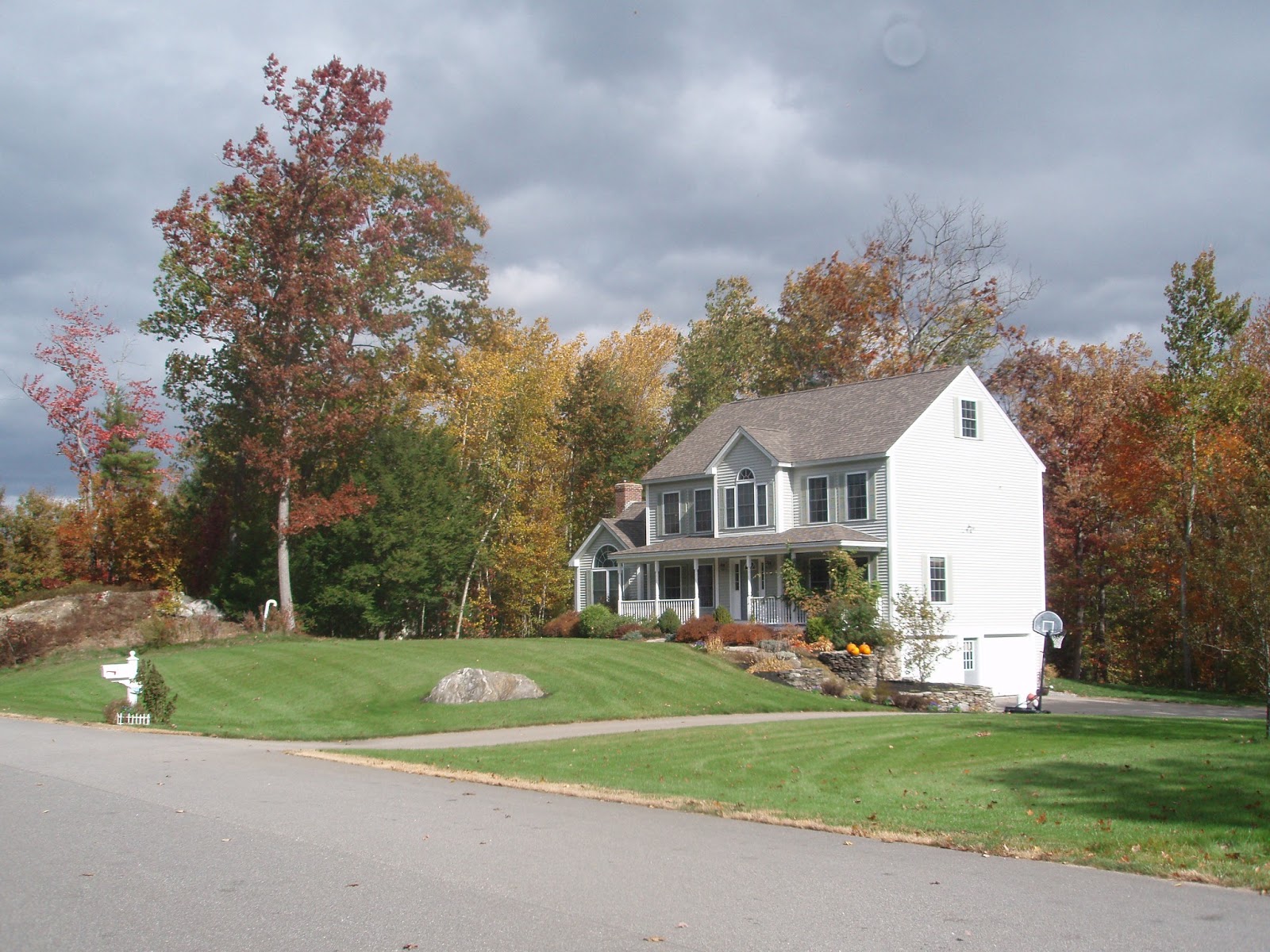
| Credit: Wikimedia Commons | Credit: Wikimedia Commons | Credit: http://www.voyagesphotosmanu.com/ |
In addition to the diversity of values shaping
land use change, we must also consider ways that the future many people hope for could be made more or less possible by a range of
external economic, political, and environmental factors. For
instance, although some conservationists and some entrepreneurs may
hope for higher density urban centers to attract businesses and
reduce the impact of suburban sprawl, this style of development would
require a sea change in municipal zoning policies in most New
Hampshire communities. Similarly, expansion of the ranges of
plant pests and diseases due to climate change could limit both
conservation and food production, while the decline of winter sports
could reduce the number of tourism-related jobs and ultimately limit
resources available for growth. On the other hand, at the
continental scale, people might choose to relocate from areas of the
United States strongly affected by droughts and heat waves to cooler
and moister states, including New Hampshire, and the resulting
population increase could stimulate growth and development.
As our team works to develop plausible alternative
scenarios for future land use in New Hampshire, we hope to
incorporate both human desires and external constraints into our
narratives. We hold open discussions with groups representing
the diversity of New Hampshire residents, including developers,
planners, and conservationists, as well as representatives of state
agencies and a variety of businesses likely to shape and/or be
affected by future changes in land use. In these discussions,
we ask participants to respond not only to the question of what they
hope the future of New Hampshire will be like, but also what they
expect and what they imagine might happen as a result of external
drivers. Through these questions, we tap into not only their
values, but also their expertise.
The narratives we develop will serve as input for
computer simulations, which in turn will provide a basis for
decision-making by businesses, organizations, government agencies,
and individuals, including many of the groups whose perspectives we
are soliciting. Just as importantly, our questions about what
the future could look like and our simulations of how alternative
futures could affect ecosystem services serve as a starting point for
discussions about how we as New Hampshire residents can shape the
future of the state. By having these conversations now, we help
to ensure that the New Hampshire landscape in the century ahead will
continue to provide for the needs of safe, beautiful, vibrant
communities, including clean water, affordable energy, and beautiful
surroundings.
Posted by Alexandra Thorn, Post-Doctoral Research Associate, Earth Systems Research Center, University of New Hampshire
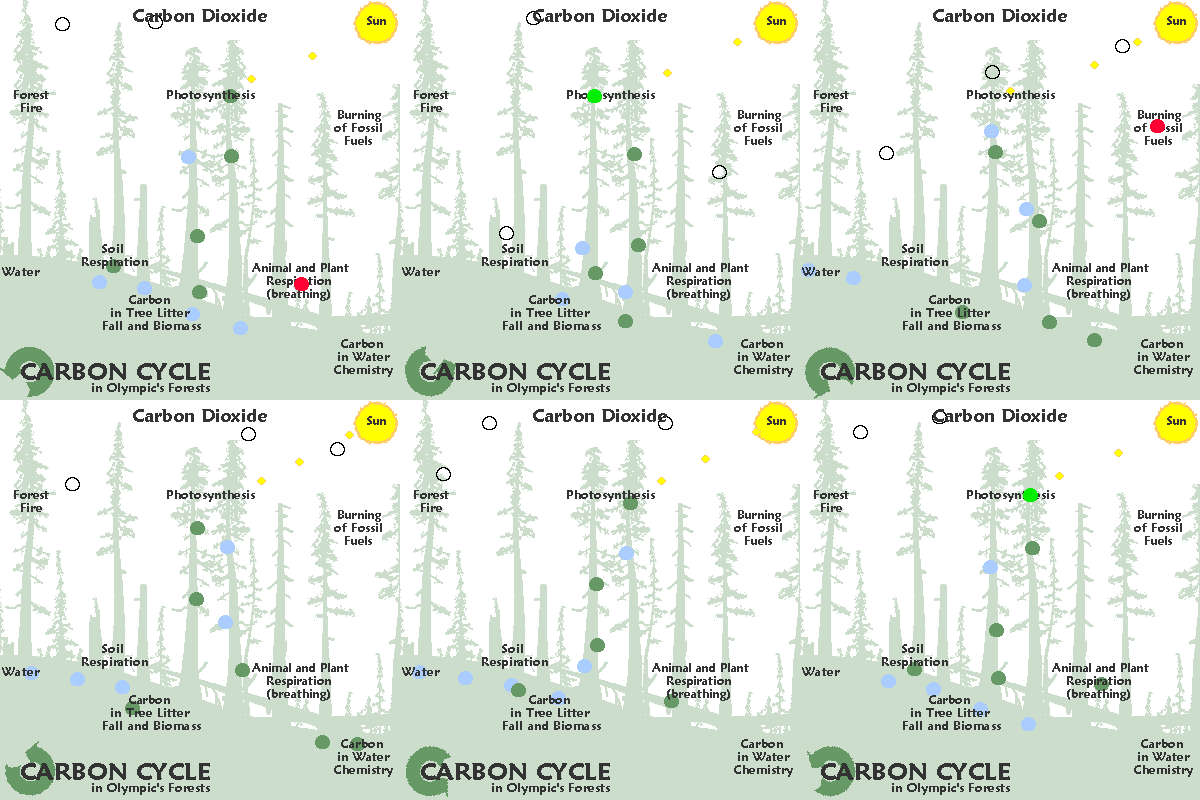 Since trees are large carbon storage vessels, incorporating forests into GHG emission reduction platforms has been promoted as a method that serves additional conservation and preservation benefits. In general, when forests are valued for their ability to sequester and store carbon, they often are more valuable left standing than harvested and processed, particularly in tropical areas where carbon storage can be great. As a result, forest land-owners have been particularly involved in trying to obtain funding for the carbon sequestration capabilities and climatic benefits of their trees. While such payments-for-ecosystem-service mechanisms involving forests do not exist in the Kyoto Protocol currently, similar transactions have been incorporated into other emissions reductions agreements (i.e. the California Environmental Protection Agency's Air Resources Board Compliance Offset Program).